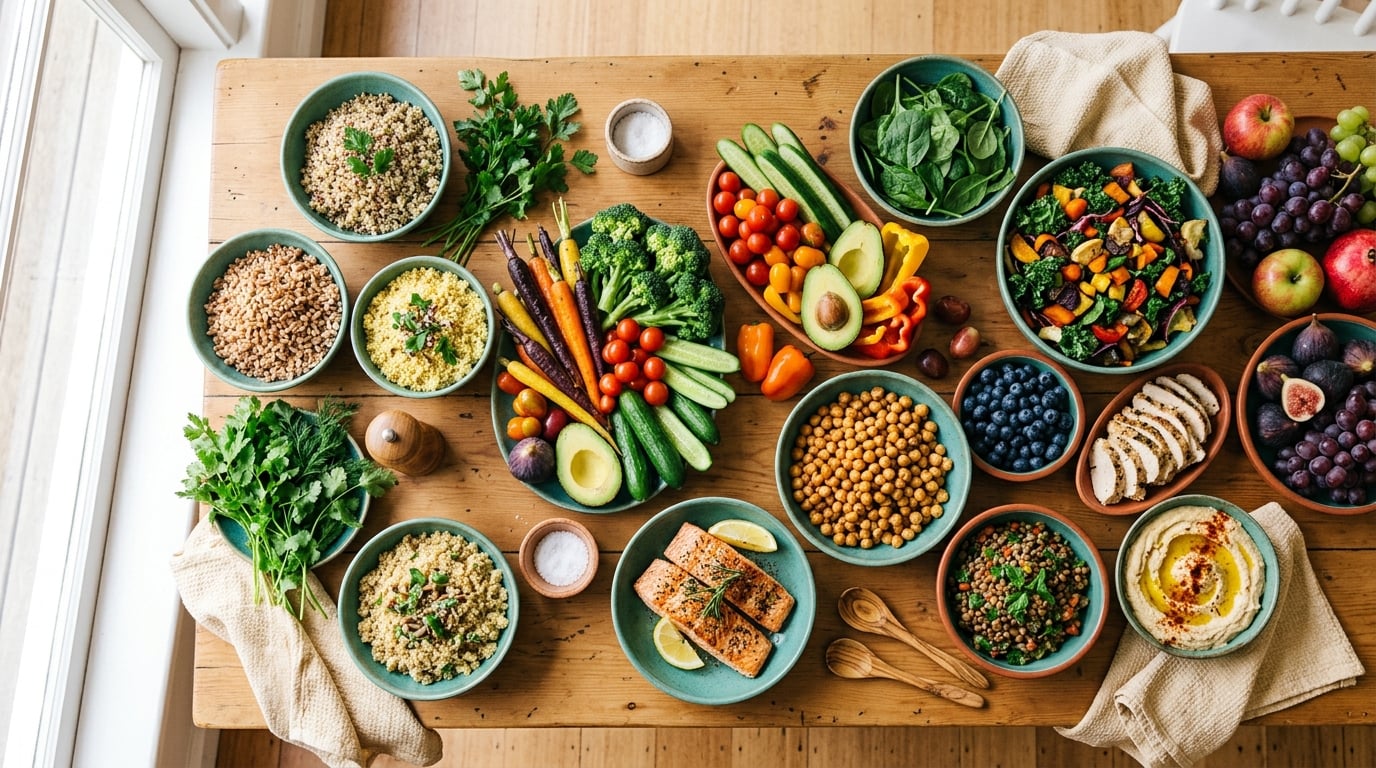
Many patients arrive at our clinic asking: "Could food be causing my rash?"
It is an important question — and the answer is rarely straightforward. Some patients find that certain foods consistently worsen their skin. Others have tried multiple elimination diets without meaningful improvement.
Our approach is to investigate food within the context of your complete health picture, rather than focusing on food alone.
Allergy Versus Intolerance
Food allergy and food intolerance are not the same thing. A food allergy typically produces an immediate, measurable immune response — sometimes severe. Food intolerance involves subtler, often delayed responses that can be much harder to identify.
Many patients with chronic skin conditions do not have a classical food allergy. But they may have food intolerances — individual responses to certain foods that contribute to ongoing inflammation without producing a dramatic allergic reaction.
Why Testing Alone Is Not Enough
Food intolerance testing can provide useful starting points, but results must always be interpreted within the context of your clinical history, dietary patterns, and symptoms.
A positive test result does not automatically mean that food is causing your skin condition. And a negative result does not necessarily clear it.
The consultation allows us to assess food responses alongside digestive health, immune function, and your broader timeline — providing a far more complete picture than a test result alone.
Food Additives & Processed Foods
One area of particular interest in our clinical practice is the potential role of food additives. Preservatives, artificial colours, flavour enhancers, and other chemical additives are consumed in far greater quantities than most people realise.
While the evidence is still evolving, many patients report that reducing their exposure to highly processed foods produces noticeable improvements. This is always explored in a balanced, personalised way during the consultation.
Key Takeaway
Food may be part of the story behind your skin condition — but it is rarely the whole story. Investigating food within the context of your complete health picture is key.